
 FR
 ES
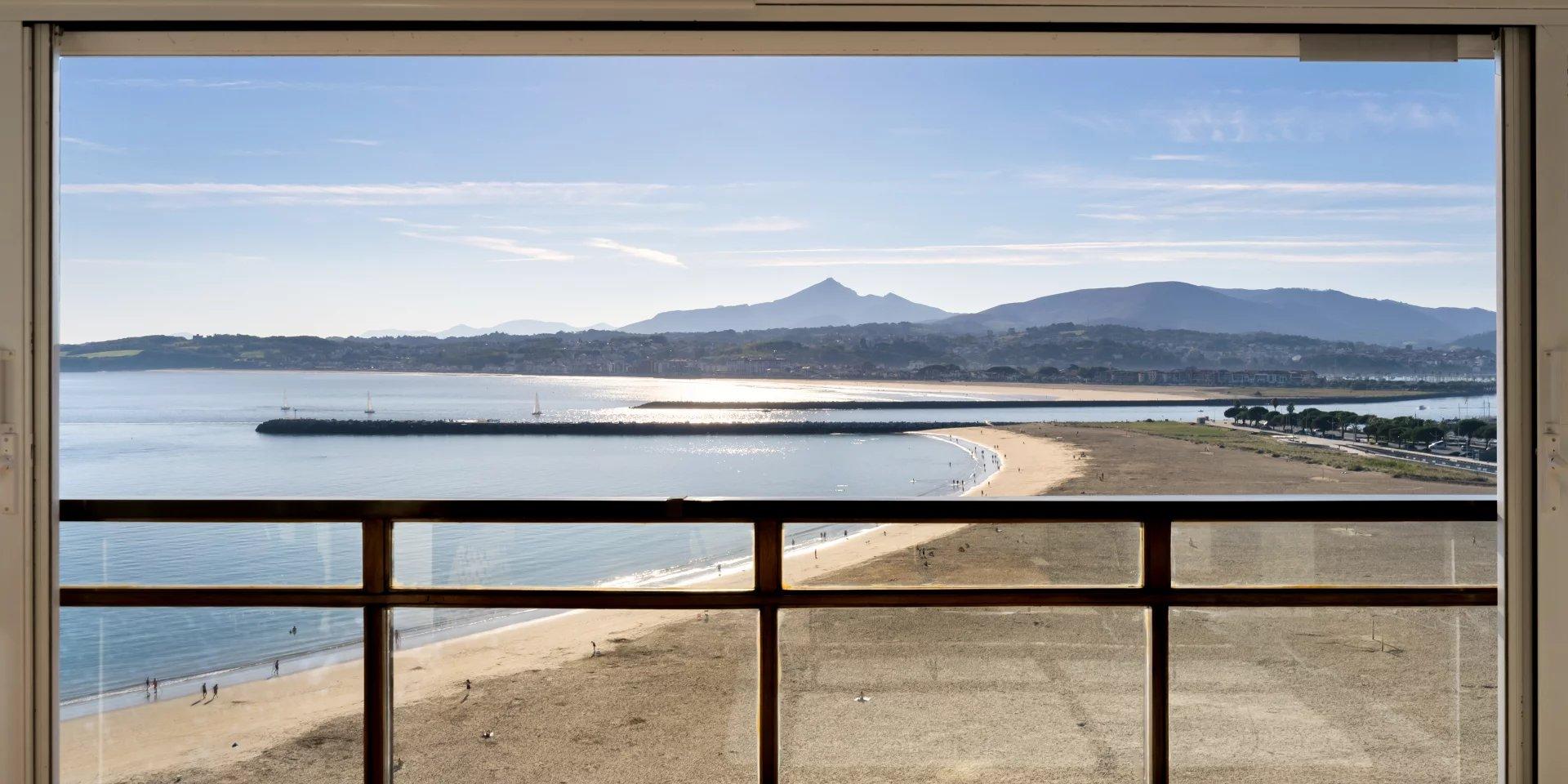
A Basque town on the French border
Hondarribia sits where the Bidasoa meets the Bay of Biscay. The river forms the natural border with Hendaye, and both towns belong to the Bayonne–San Sebastián Basque Eurocity, a cross-border metropolitan area. The municipality also hosts San Sebastián's airport.
The result is a town that feels quieter than the provincial capital while remaining within easy reach of it, and a short crossing from the French side of the Basque Country. That combination explains much of its appeal for second-home buyers and for international buyers who want a base on both sides of the border.
Three settings, three ways of living
The walled old town
The historic centre is enclosed by its ramparts and is protected as a monument ensemble. Cobbled streets, stone mansions with coats of arms and wrought-iron balconies, the Plaza de Armas and the Castle of Charles V, now a Parador, set its character. Homes here are mostly period buildings in a conservation setting, which shapes what can be done when renovating (see the checklist below).
La Marina
The former fishermen's quarter, with its brightly painted houses, works as the town's informal living room. The pedestrian Calle San Pedro, the pintxo bars and restaurants, and the harbour and promenade make it the most lively part of Hondarribia, and the one most suited to a walkable, year-round routine.
Jaizkibel and the residential hillsides
Above the town rises Mount Jaizkibel. Its lower slopes and neighbouring residential areas, such as Jaitzubia near the Real Club de Golf de San Sebastián, are where larger plots and detached villas are typically found, often with views of the bay or the ocean. BARNES San Sebastián has presented villas on these slopes. If golf is part of your plans, our piece on the best golf courses on the Basque coast is a useful companion.
Getting around: San Sebastián, the airport and France
Distances are modest. San Sebastián is roughly 20 kilometres away by road, and bus services link the two towns. The wider Txingudi area is served by the motorway, by rail (Renfe, SNCF and Euskotren stop at nearby Irun) and by the airport in Hondarribia itself.
To reach Hendaye, you can drive across the border or take the boat across the Bidasoa, which takes only a few minutes. For buyers based in south-west France, that proximity is a practical advantage as much as a lifestyle one.
What you can buy
The market is small and varied. In the old town and La Marina you will mostly find apartments and townhouses in older buildings. On Jaizkibel and in the surrounding residential areas, villas and traditional Basque houses are more common. BARNES San Sebastián also presents a selection of properties for sale across San Sebastián and its surroundings, and its Hondarribia area page gives more local context.
We deliberately do not quote a price per square metre. Published figures vary widely by source and by property type, and in a market this small, a reliable valuation depends on recent local transactions for comparable homes.
What to check before you buy
- Heritage and planning rules. The old town is a protected historic area. Before committing to a renovation, ask the town hall's planning department what is permitted for façades, structure and use. We have not been able to verify the specific local rules, so this should be confirmed with the municipality.
- Proximity to the shoreline. Spanish coastal legislation can impose limits and easements on properties close to the coast or estuary. A technician should confirm where a given property stands.
- Title and charges. Request a recent nota simple from the Land Registry and compare it with the title deed and the cadastral data.
- Rental plans. If you intend to let the property, check the applicable tourist-rental rules before counting on any income.
- Cross-border tax. If you live in France or elsewhere, taxes on both sides of the border matter. Our article on the tax differences between Spain and France is a good starting point, and you can read the general purchase process on our website.
Frequently asked questions
How far is Hondarribia from San Sebastián?
About 20 kilometres. The journey by road is short, and there are bus connections between the two towns.
Can a non-resident buy a home in Hondarribia?
Residency is not a requirement for buying property in Spain, but foreign buyers normally need a NIE (foreigner identification number) for the purchase. The documents involved are covered in more detail in our guide for international buyers.
Is there an airport in Hondarribia?
Yes. San Sebastián's airport is located in the municipality of Hondarribia. Biarritz, on the French side, is also within reach by road.
Why do I see three names for the same town?
Hondarribia is the Basque name and the official one. Fuenterrabía is the Spanish name, and Fontarabie is the French one. Searching under any of them leads to the same place.
Talk to BARNES San Sebastián
Choosing between the old town, La Marina and the hillsides depends on how you plan to use the home. If you are considering Hondarribia, whether as a primary or second residence, the BARNES San Sebastián team can discuss your search with you, with the discretion and local knowledge that a purchase like this calls for.
Sources
- Gobierno Vasco, Birding Txingudi (airport, rail and road connections): euskadi.eus
- Biblioteca Virtual de Defensa, entry on Fuenterrabía (Bidasoa border, Basque Eurocity): bibliotecavirtual.defensa.gob.es
- Lonely Planet, attractions in Hondarribia (old town, La Marina, Calle San Pedro): lonelyplanet.com
- El Español, travel feature on Hondarribia (bus lines, distance): elespanol.com
- El Español, feature on the historic centre and the crossing to Hendaye: elespanol.com
- Guide du Pays Basque, Hondarribia (Plaza de Armas, Castle of Charles V): guide-du-paysbasque.com
Editorial note: these are tourist and press sources. The Hondarribia town hall and the Gipuzkoa provincial government should be consulted to confirm planning, heritage and tourist-rental rules.